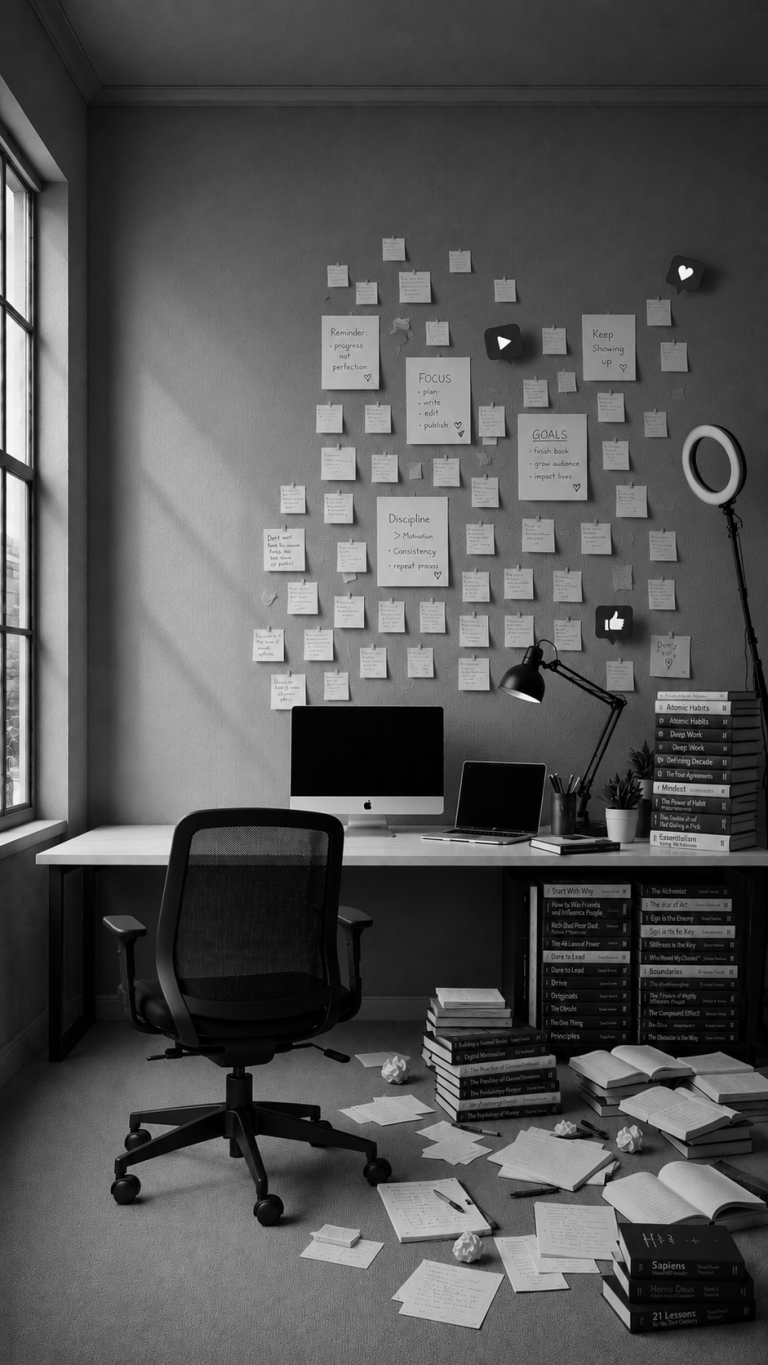


As a Gen Zer who grew up alongside social media, burnout can look surprisingly ordinary. You wake up exhausted, move from one task to the next, and still feel guilty the moment you stop. It’s a cycle I’ve experienced myself and noticed in people around me—where constant productivity becomes the expectation, and rest starts to feel like something you have to earn. Before long, being overwhelmed feels normal, even when your mind and body are clearly asking you to slow down.
Burnout is not a personality flaw. Burnout rarely arrives as a dramatic collapse. It tends to move quietly, installing itself in small ways that are easy to rationalize, excuse, and simply ignore until the weight gets too heavy to bear. But there’s a difference between burnout and being tired.
Most of us know what it feels like to be tired. It could be trying to catch up on sleep on Sunday, and by Monday morning, you’ve mustered up the bandwidth to start again. However, burnout is a different beast that needs to be understood before it can be conquered.
In 2019, the World Health Organization formally classified burnout as “a state of physical, mental, and emotional exhaustion caused by prolonged, unmanaged chronic stress. It is characterized by severe fatigue, feelings of cynicism or detachment, and a sharp decline in personal or professional efficacy.” When you are burned out, sleep stops feeling restorative. Hobbies begin to feel like obligations. You almost go through your life feeling like you’re watching yourself from somewhere far away, performing, doing tasks without being present for any of it.
And yet, millions of us suffer from burnout without knowing it. We drag ourselves through the day quietly struggling, believing the problem of our insatiable fatigue is us.
If you have found yourself in this camp, please continue reading this article (whenever you can).
My 5 Signs That You Might Be Burned Out
Reported by the World Health Organization and Centers for Disease Control and Prevention.
1. Exhaustion That Sleep Cannot Touch: You sleep for eight hours and still wake up feeling completely drained. Even a quiet Sunday or a vacation does not seem to restore your energy. This kind of exhaustion can feel as much mental and emotional as physical, which is why it is often easy to dismiss.
2. A Growing Sense of Cynicism Toward Things You Once Cared About: The work, goals, or activities that once mattered to you can slowly start to feel like obligations. You may notice yourself becoming detached or surprisingly indifferent. That emotional distance is not always a sign that you suddenly stopped caring; it can be a sign that prolonged stress has pushed you into emotional withdrawal.
3. A Drop in Effectiveness That Feels Impossible to Explain: You are still capable, but simple tasks suddenly take much longer than they used to. Small decisions feel strangely overwhelming, and you may find yourself working hard without seeing the same results. That gap between your effort and your output can create another layer of stress because you begin to feel like you are failing.
4. Physical Symptoms With No Clear Medical Cause: Long-term stress can show up in the body through problems such as headaches, stomach issues, disrupted sleep, and changes in energy. Sometimes people focus on the physical symptom without considering the stress that may be contributing to it. If these symptoms continue or concern you, it is important to speak with a healthcare professional.
5. Withdrawal From the People and Activities That Used to Ground You: You start canceling plans and feel more relief than regret. Activities you once enjoyed can begin to feel like another responsibility, and you may slowly stop reaching out to the people who support you. The problem is that burnout can make people withdraw from the very connections that may help them feel less alone.
My 4 Steps To Help Guide You Into Sitting Down
Reported by the World Health Organization and Centers for Disease Control and Prevention.
1. Stop or Reduce the Source: Recovery cannot really begin while the same overwhelming demands continue at full force. Leaving a job or responsibility may not always be realistic, but even reducing the pressure where possible can make a meaningful difference. The goal is to create enough space for your mind and body to begin recovering.
2. Rebuild Sleep: Sleep should not be treated as something you earn after finishing everything else. A consistent sleep schedule and healthy sleep habits can support both physical and mental well-being. If sleep problems continue, professional support may also be worth considering.
3. Reconnect With Meaningful Things: Recovery is not always about becoming more productive. Sometimes it means slowly returning to small activities that make you feel like yourself again, such as taking a walk, cooking, or having a conversation without an agenda. Healthy coping strategies and meaningful connection can help reduce the weight of ongoing stress. (Centers for Disease Control and Prevention)
4. Talk to Someone: Burnout is not something you always have to figure out alone. Speaking with a trusted person, such as a therapist, counselor, or healthcare professional, can help you understand what you are experiencing and decide what kind of support you need. Seeking help is not a sign of weakness; sometimes it is the first real step toward recovery. (Centers for Disease Control and Prevention)
My Last Thoughts (When You Have Time To Read Them).
Recovery from burnout does not feel triumphant at first. It can feel slow and even like you’re failing. But subtle signs that you’re recovering can include a laugh that reaches you fully or waking up noticing that the usual morning dread feels less dreadful. These realistic small mountains are the real markers of recovery, not an unrealistic 180-degree return
It is also worth noting that recovery rarely means returning to exactly where you started. Most people who move through burnout come out the other side with a clearer picture of what they could not sustain. Boundaries that once felt selfish now feel like a necessity to basic mental maintenance. And the drive to appear endlessly capable redirects into something more honest and more durable.
At the end of the day, if you recognize yourself in any part of this article, I hope you stop telling yourself to push through one more time; just work a little harder, or simply get more disciplined.
We all have non-negotiable tasks we need to do every day, but burnout is real. So just make sure you keep that in mind, know the difference, and add rest and kindness to your already long “Items To Do” list.