
I don’t envy Gen Z.
Okay… maybe a little. I’ll admit, there’s a tinge of bitterness over how it took us millennials years to learn what “Z-ers” have absorbed in weeks or months. They’ll never know the frantic desperation of getting lost driving at 2 a.m. without a friendly robot navigator or the coming-of-age trauma of cystic acne and braces (fellow survivors, raise your hands) that couldn’t be washed away with an Insta-filter. Ultimately, Gen Z seems to surpass much of the cringe-years and land into adulthood with a leg up in many ways. But with hindsight, a subtle nostalgia is emerging for many of these so-called “inconveniences” – the awkwardness, boredom, and quiet that we were so desperate to eradicate. Why? Well, one doesn’t have to look far to see what the world has turned into within just one generation. Despite living in a more convenient world, we’re also living in a more depressed, divided, and overly-stimulated one. Not the best trade-off, if you ask me. This is why I don’t envy Gen Z.
But alas, this is the world we find ourselves in. And despite my intro, I’m actually a big believer in embracing change. And what I’ve experienced in my decade-long career in tech, is that change is inevitable. But we can’t move forward blindly. We must assess our evolution as we go and take note when the costs outweigh the benefits. As podcaster Michael Callahan said recently, “Change doesn’t mean progress.”
It just so happens that the worlds violently colliding to create this perfect storm of issues that I’m referring to (tech, media, global affairs, or scarier – news!) are spaces I reside in. So before we venture into this new frontier called modern-day, let me introduce who I am. In addition to my tech career, which includes time at Microsoft and the AI company that powered Siri, I also received my degree in International Studies. I once hosted a long-form interview show called Exploring Minds where I had the pleasure of chatting with some of the brightest minds regarding economics, politics, culture, and the list goes on. I’m deeply invested in these industries and, more importantly, how to improve them.
To improve, we must first identify the problem. And there are most definitely problems… Let’s look at some stats.
- 10.6% or 2.5 million youth in the U.S. have severe major depression. (Source: Mental Health America)
- 15.08% of youth experienced a major depressive episode in 2022. (Source: Mental Health America)
- Suicide is the second-leading cause of death among people age 15 to 24 in the U.S. Nearly 20% of high school students report serious thoughts of suicide, and 9% have attempted to take their lives. (Source: National Alliance on Mental Illness)
- In 2012, fewer than half of Americans said they thought “very strong conflicts” existed between Democrats and Republicans. By 2020, that share had soared past 70%. (Source: Pew Research)
- Just over half of Biden voters and almost 6 in 10 Trump voters said that they had come to view the leaders of the opposing party as “presenting a clear and present danger to American democracy.” (Source: University of Virginia’s Center for Politics)
- Study authors found 16.5% of people have a ‘severely problematic’ news addiction. (Source: Researchers at Texas Tech University)
I could continue these statistics, but unfortunately, it would just add to the picture of rising loneliness, division, and nihilism — which can accumulate into one word — hopelessness.
Let’s look at the two primary suspects behind this modern phenomenon.
- Social Media
- 24/7 News
— which these days are pretty much synonymous with each other. Back in “the olden days,” even a news junkie had to plan for their favorite news shows on the radio or TV. Now, 24/7 literally means whenever, wherever, and however you want it.
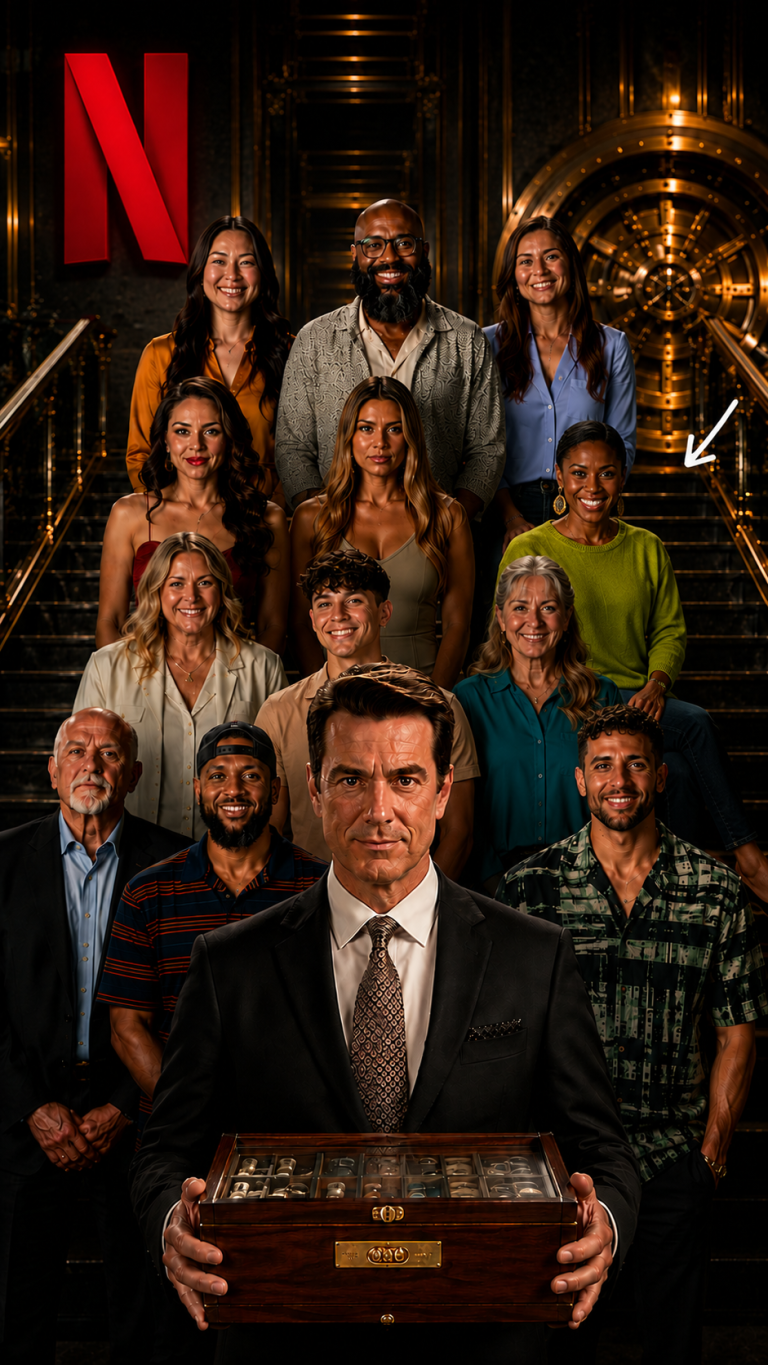
Sure, there are many benefits to modern devices and social media. And those benefits are obvious. However, the costs have just now, as Gen Z would say, “entered the chat.” Thanks to the hit Netflix documentary The Social Dilemma, awareness of the forces powering these technological advancements is spreading. Forces like the warped incentive structures intoxicating us all. For example, those dopamine hits that trigger when receiving notices of engagement on our content, the algorithms that reward negative or emotional posts, and the same “algos” that feed our feeds with content we are hungry to consume.These manipulative and addictive tactics are making us narcissistic, anxious, and righteously indignant.
*cue the rise of echo chambers*
Let’s focus on the 24-hour broadcast news industry. They suffer from the same warped motivations to bring in the big bucks like social media companies. However, while those businesses need money to grow, these businesses need millions and millions in revenue just to cover their high-end productions in the first place. But instead of using “algorithms” to entice “users,” they utilize emotional and combative personalities that make for “good TV.” Just in the last year or so, several (maybe all?) of the big names have been caught peddling narratives they knew were false for the sake of ratings.
The formula that’s great for business, yet awful for society:
Negative news = big moolah.
And if this hasn’t driven audiences deeper into tribal division, it’s driving them to bow out entirely. If I had a nickel for every time I heard someone say, “I just stopped paying attention to the news because I couldn’t take the negativity anymore,” I’d probably be a few dollars richer (that’s a lot of nickels!).
Social media and news consumption is manipulating us into a downward spiral.
And now that I’ve discussed our big problem of sensationalism, manipulative algorithms, and massive profit motivations, let me introduce a healthier alternative, my online platform, The News Diet.
Whether it’s through daily news snippets or long deep-dives into today’s topics, The News Diet’s goal is to help us stay informed without fear. The idea is to learn about the world through a lens of expansion rather than retraction.
I know what you’re thinking. How is your platform different, Michele?
I’m glad you asked.
- Space
The News Diet encourages a healthy off-screen life. Regularly shedding light on media and mental health data, as well as wellness tips, there’s no desire to get my audience “hooked” on my content if that means their real life is falling apart because of it. One tagline is “Let’s be informed so we can get on with our day.” It’s okay to let your audience breathe when you don’t have millions in overhead to pay.
2. Tone
Pumping up the fear factor can be a very effective strategy for convincing people you’re smart and trustworthy. If you’re the one to predict the apocalypse, then surely you must also be the savior. But while there will always be an audience for that, I truly believe there are also others above this kind of scare tactic. That wants information, not the end of the world. I prefer to speak to my audience as if they are smart, not gullible.
3. Coverage
“Misinformation,”… “Disinformation,”… “Fake news,”… “Alternative facts,”… And even those who overuse these terms. Facts tend to be subjective to the outlet you’re listening to. So I follow them all as much as possible, so hopefully, my coverage can be as well-rounded as possible. I’m sure I don’t succeed all the time, but especially for the partisan stories, I sure do try.
Call me crazy… but I really do have faith that the rough edges can be smoothed out. Never is anything “perfect” and rarely revolutionary, but perhaps The News Diet can at least be a meeting spot for those who want to join the party… but forgo the mosh pit.